

Businesses searching for a commercial van often start with the same question: Should I choose the 2026 Ford Transit or the 2026 Mercedes-Benz Sprinter?
Whether you're managing a shuttle fleet in Kansas City, operating a hotel transportation service in Orlando, running a church transportation program in Missouri, coordinating airport transfers in Washington, D.C., or expanding an employee shuttle fleet in Dallas, both the Ford Transit and Mercedes-Benz Sprinter consistently rank among the most popular commercial vans on the market.
Fleet managers, transportation directors, business owners, schools, healthcare providers, senior living communities, churches, hotels, and universities frequently compare these two vehicles because both offer extensive customization options, multiple body configurations, advanced safety technologies, and proven commercial durability.
Which Commercial Van Is Right for Your Business?
At Masters Transportation, organizations throughout Kansas City, Springfield, St. Louis, Dallas, Denver, Orlando, Nashville, Atlanta, Bentonville, Lincoln, Los Angeles, and Washington, D.C. regularly evaluate both models when searching for passenger transportation vehicles, shuttle vans, passenger vans, fleet solutions, and specialty commercial applications.
This comparison explores the key differences between the 2026 Ford Transit and the 2026 Mercedes-Benz Sprinter to help determine which vehicle best supports your operational goals.
Ford Transit vs Mercedes-Benz Sprinter: Quick Comparison
| Feature | 2026 Ford Transit | 2026 Mercedes-Benz Sprinter |
|---|---|---|
| Available Configurations | Passenger Van, Shuttle, Wheelchair-Accessible, Cutaway | Passenger Van, Shuttle, Wheelchair-Accessible, Executive |
| Maximum Passenger Capacity | Up to 15 Passengers | Up to 15 Passengers |
| Roof Options | Low, Medium, High Roof | Standard Roof, High Roof |
| Wheelbase Options | Multiple Lengths | Multiple Lengths |
| Available AWD | Yes | Yes |
| Gasoline Engine Availability | Yes | Varies by configuration |
| Diesel Availability | No | Yes |
| Electric Version | E-Transit | eSprinter |
| Common Applications | Shuttle, Fleet, Group Transport, Accessible Vehicles | Shuttle, Executive Transport, Group Travel, Specialty Upfits |
Both vehicles offer exceptional versatility, making them popular choices across a wide variety of industries.
Why Businesses Compare the Transit and Sprinter
When organizations search online for commercial vehicles, they are typically evaluating key factors.
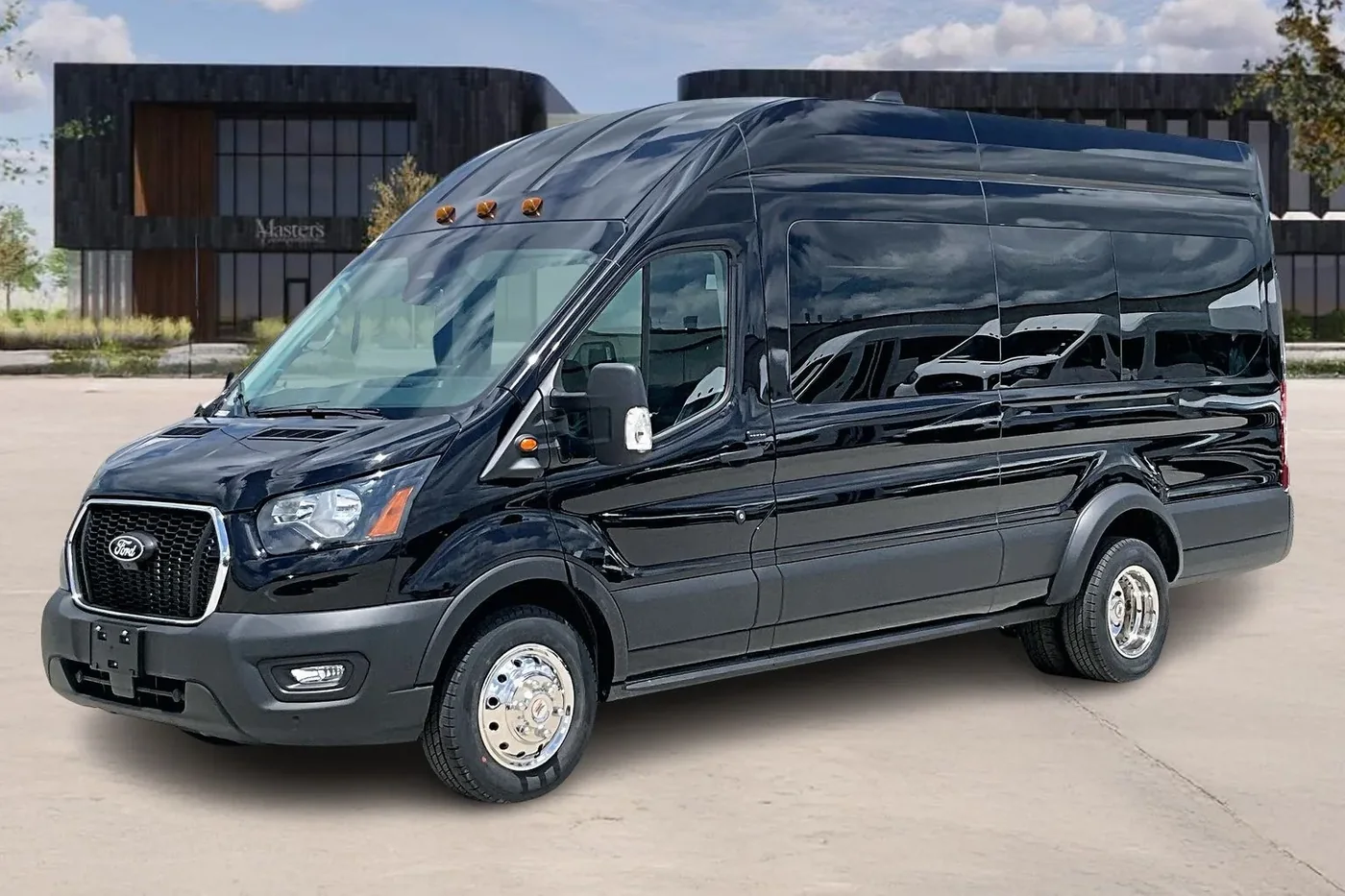
When organizations search online for:
- Best commercial van for business
- Ford Transit vs Mercedes-Benz Sprinter
- Best passenger van for shuttle service
- Commercial fleet vehicle comparison
- Transit vs Sprinter passenger capacity
- Church transportation van
- Hotel shuttle vehicle
- Airport transportation van
- Fleet van for shuttle operators
- Senior transportation vehicle
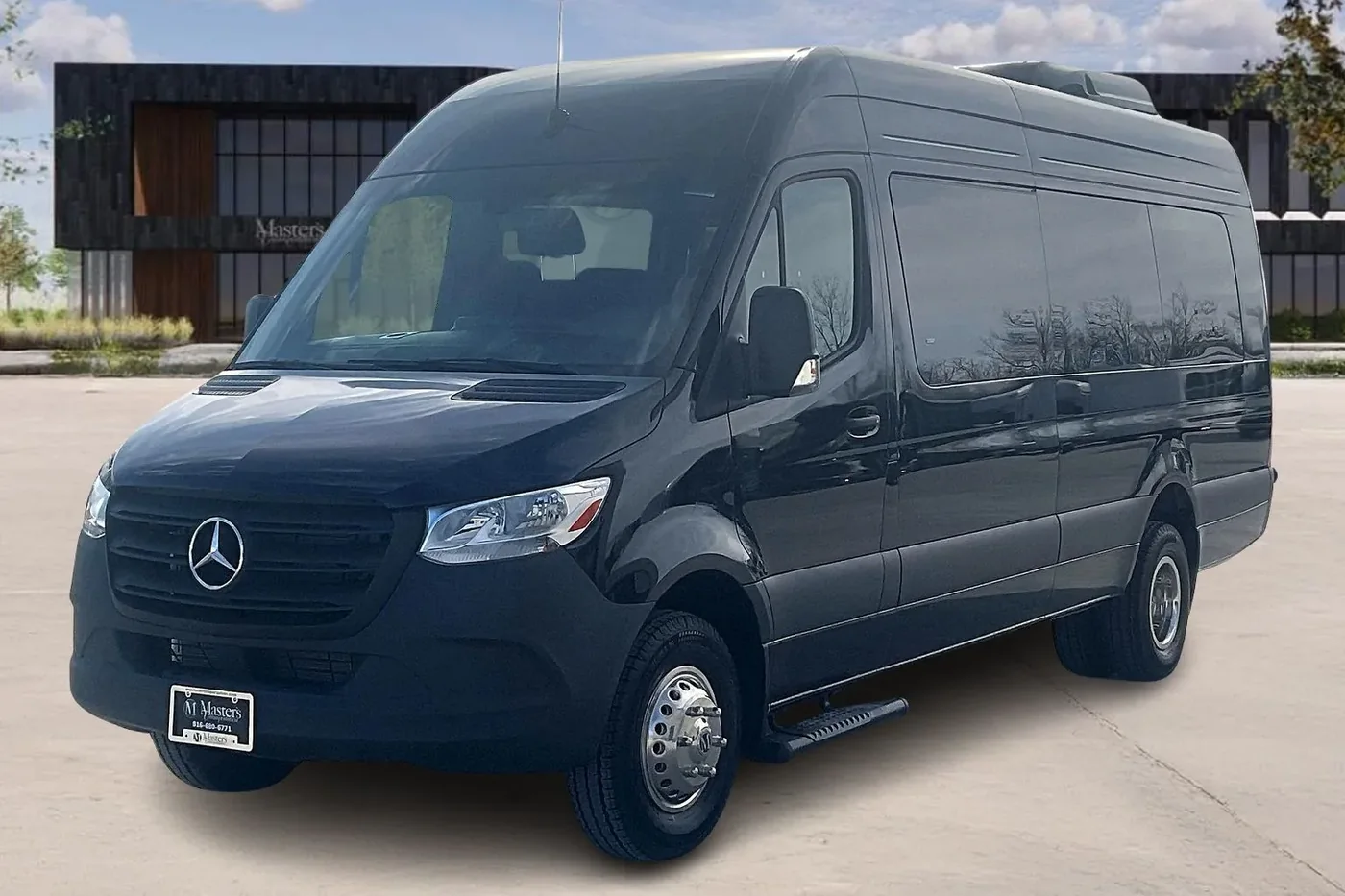
They are typically evaluating four key factors:
- Passenger capacity
- Seating flexibility
- Operating costs
- Long-term business needs
Commercial Van Overviews
A Flexible Commercial Vehicle for Diverse Fleet Applications
The Ford Transit has become one of North America's most widely used commercial vans because of its adaptability. Businesses throughout Kansas City, Springfield, Dallas, Denver, and Nashville frequently choose Transit models for transportation services, employee shuttle fleets, campus transportation, shuttle routes, church transportation programs, and group passenger applications. Available in multiple lengths, roof heights, and body styles, the Transit allows organizations to configure vehicles around specific operational requirements.
Premium Commercial Capability and Advanced Technology
The Mercedes-Benz Sprinter has built a strong reputation among businesses seeking a premium commercial vehicle with advanced technology and exceptional versatility. Transportation providers throughout Orlando, Washington, D.C., Los Angeles, Atlanta, and other major metropolitan markets frequently utilize Sprinter models for executive transportation, airport shuttle services, luxury transportation fleets, and specialized commercial applications. The Sprinter's flexible design allows businesses to configure vehicles for shuttle transportation, passenger transport, hospitality operations, and professional fleet use.
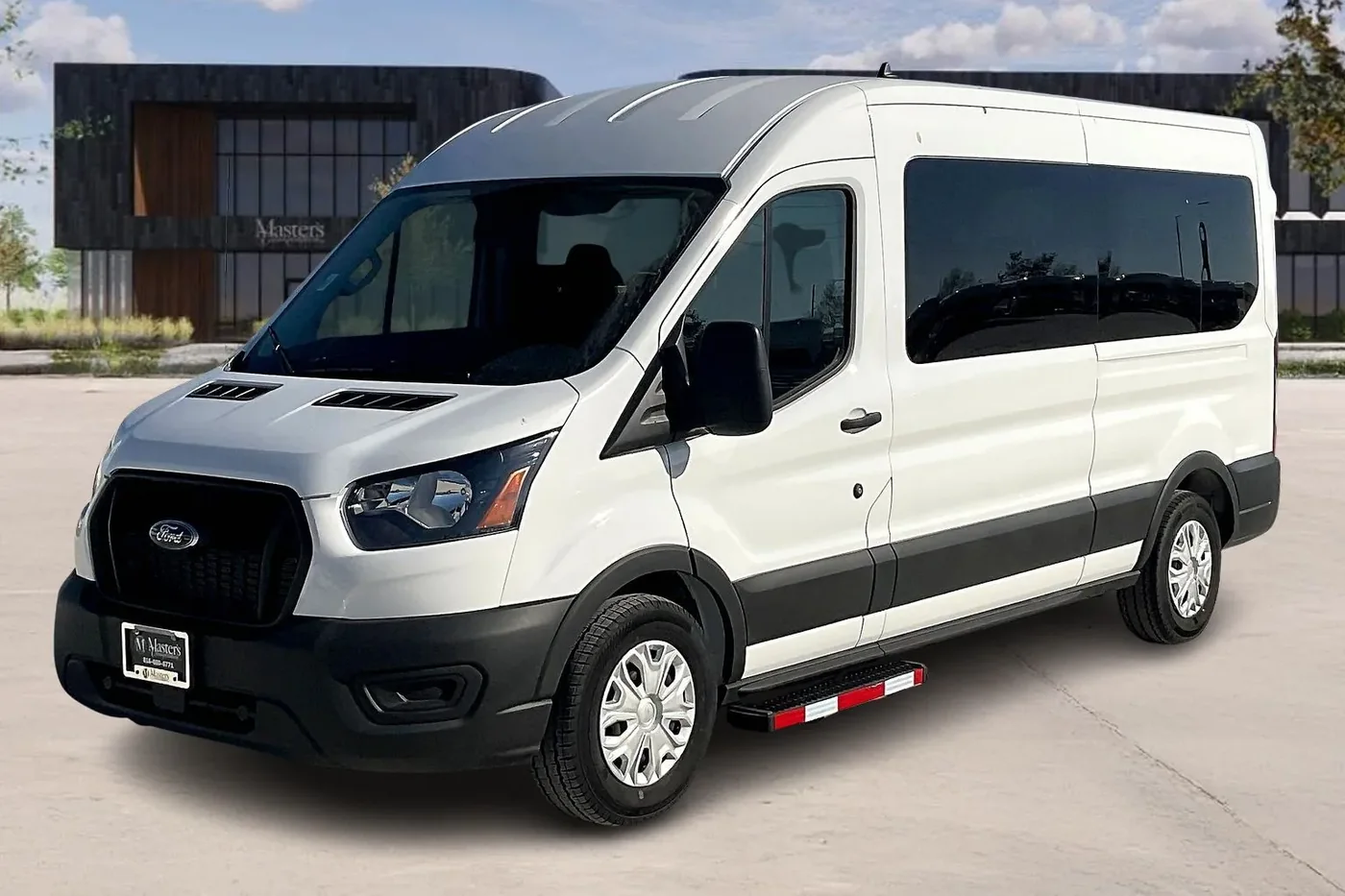
2026 Ford Transit Highlights
- Available low, medium, and high roof options
- Multiple wheelbase configurations
- Available all-wheel drive
- Standard 3.5L V6 engine
- Available 3.5L EcoBoost® V6 engine
- Passenger seating for up to 15 occupants
- Extensive commercial upfit compatibility
- E-Transit electric commercial van available
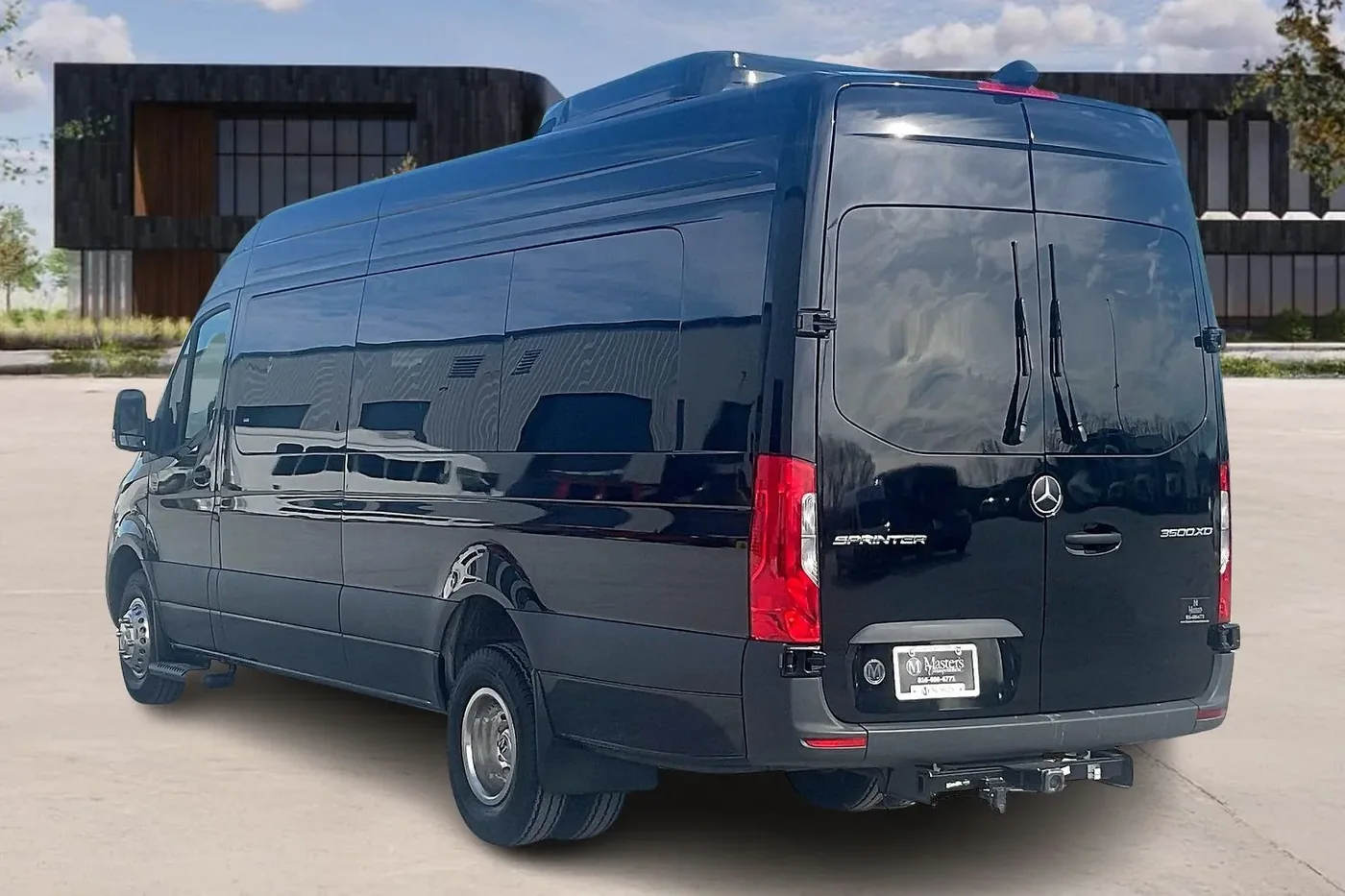
2026 Mercedes-Benz Sprinter Highlights
- Multiple roof heights and wheelbase options
- Available all-wheel drive
- Available diesel-powered configurations
- Passenger seating for up to 15 occupants
- Advanced MBUX infotainment system
- Sophisticated driver-assistance technologies
- eSprinter electric commercial van available
- Premium interior environment
Why Businesses Choose the Ford Transit: Organizations often choose the Transit because of its broad configuration range, familiar service network, and ability to support everything from employee shuttles and campus fleets to passenger transportation and specialty commercial conversions.
Why Businesses Choose the Sprinter: Organizations often select the Sprinter when passenger comfort, advanced technology, long-distance efficiency, and premium transportation experiences are important considerations.
Ford Transit vs Sprinter Interior Space and Configuration
Organizations comparing these vans frequently prioritize usable interior volume, accessibility, and customization opportunities. The Ford Transit offers exceptional flexibility through multiple roof heights and body lengths. Shuttle operators, campus fleets, hotels, and group transportation providers often choose high-roof Transit models because they provide generous headroom and standing room inside the vehicle.
The Mercedes-Benz Sprinter also offers substantial interior capacity and remains a popular platform for shuttle operators, executive transport providers, and specialty upfit manufacturers.
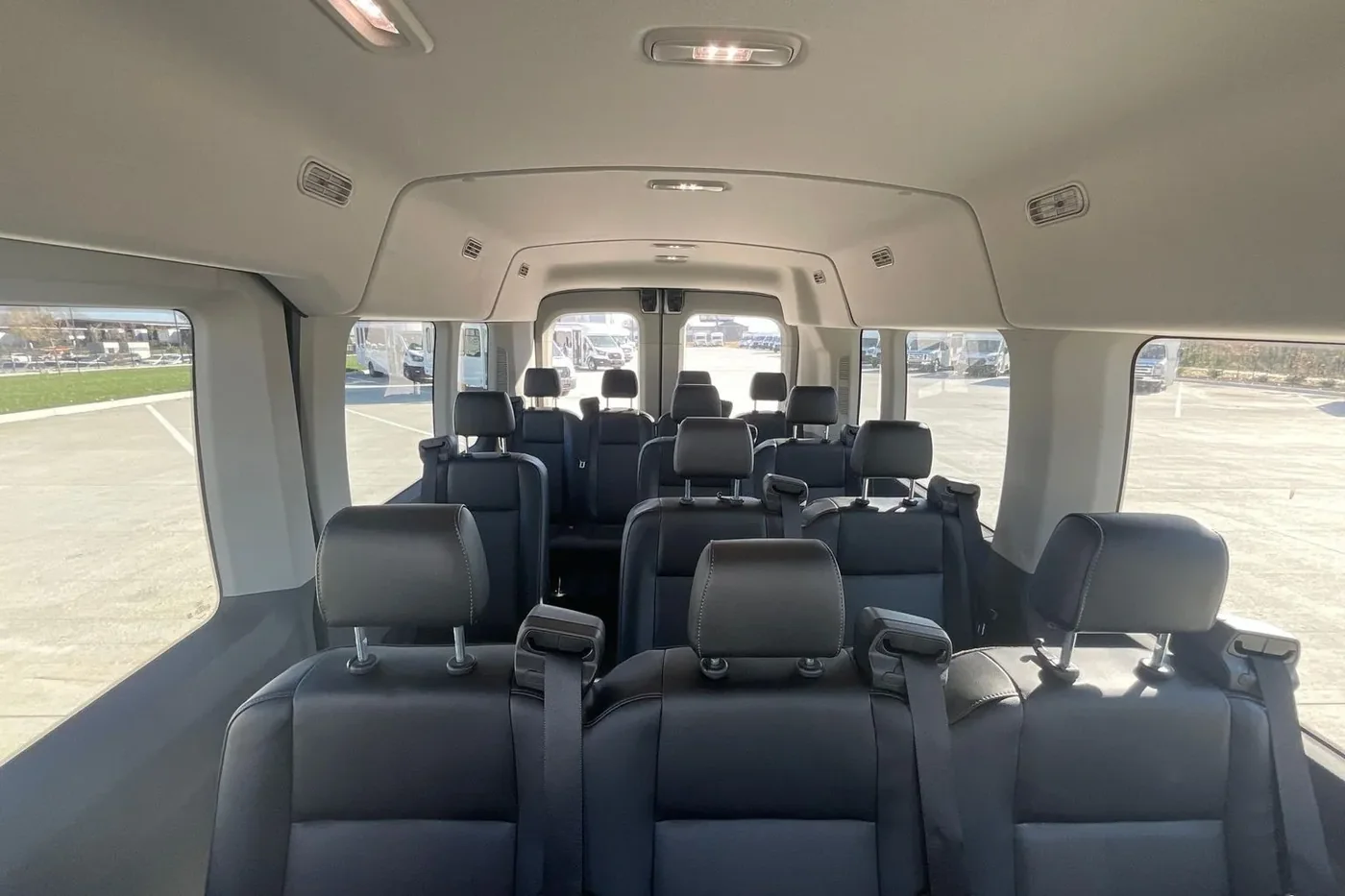
Choose the Ford Transit for Passenger and Fleet Applications If:
- You need multiple body length choices.
- Your business requires extensive upfit flexibility.
- Fleet standardization is a priority.
- You operate passenger routes across multiple regions.
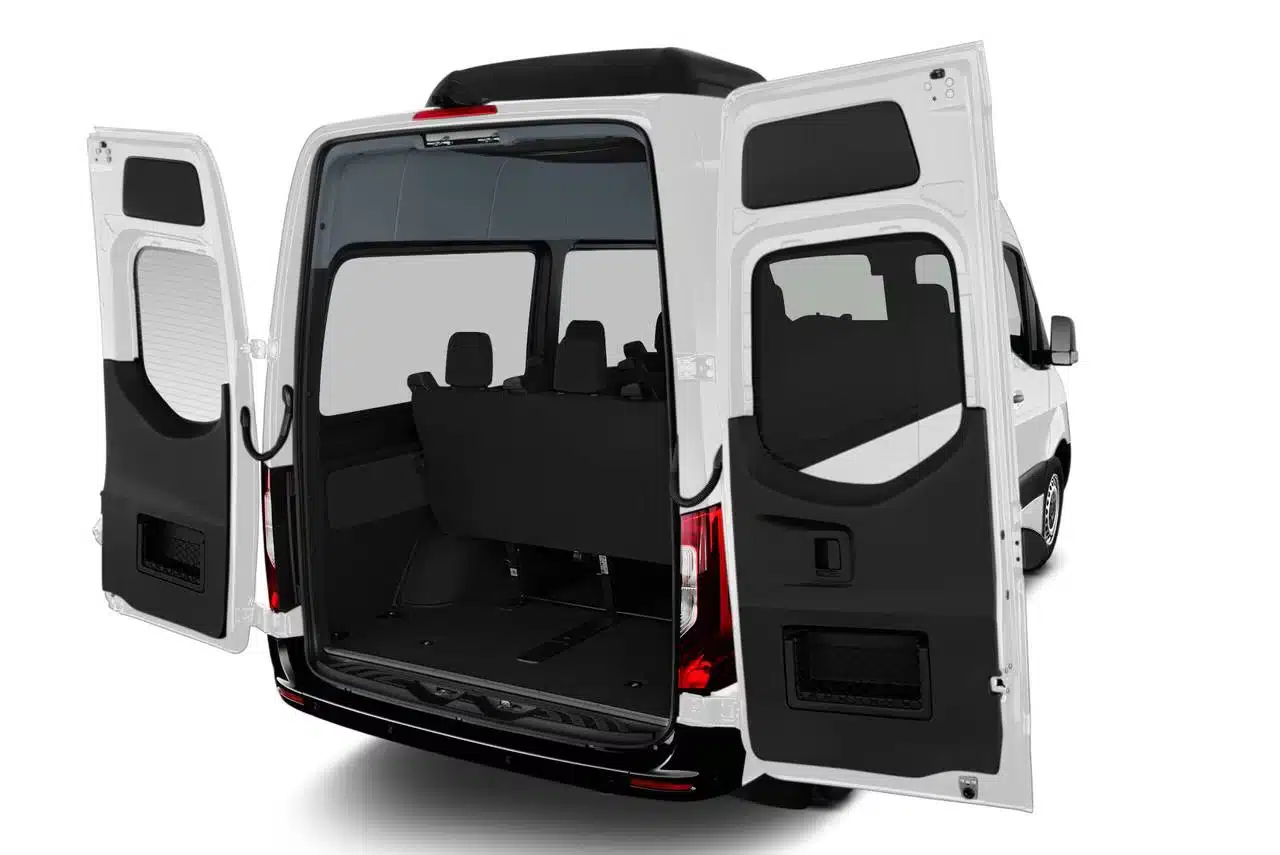
Choose the Mercedes-Benz Sprinter for Passenger and Fleet Applications If:
- Long-distance transportation is common.
- Premium commercial features are important.
- Diesel-powered capability aligns with your fleet strategy.
- Specialized upfit requirements are involved.
Ford Transit vs Sprinter Passenger Van Comparison
Organizations responsible for transporting passengers often focus on comfort, accessibility, safety, and operational efficiency. Both vehicles can be configured to accommodate up to 15 passengers depending on the model.
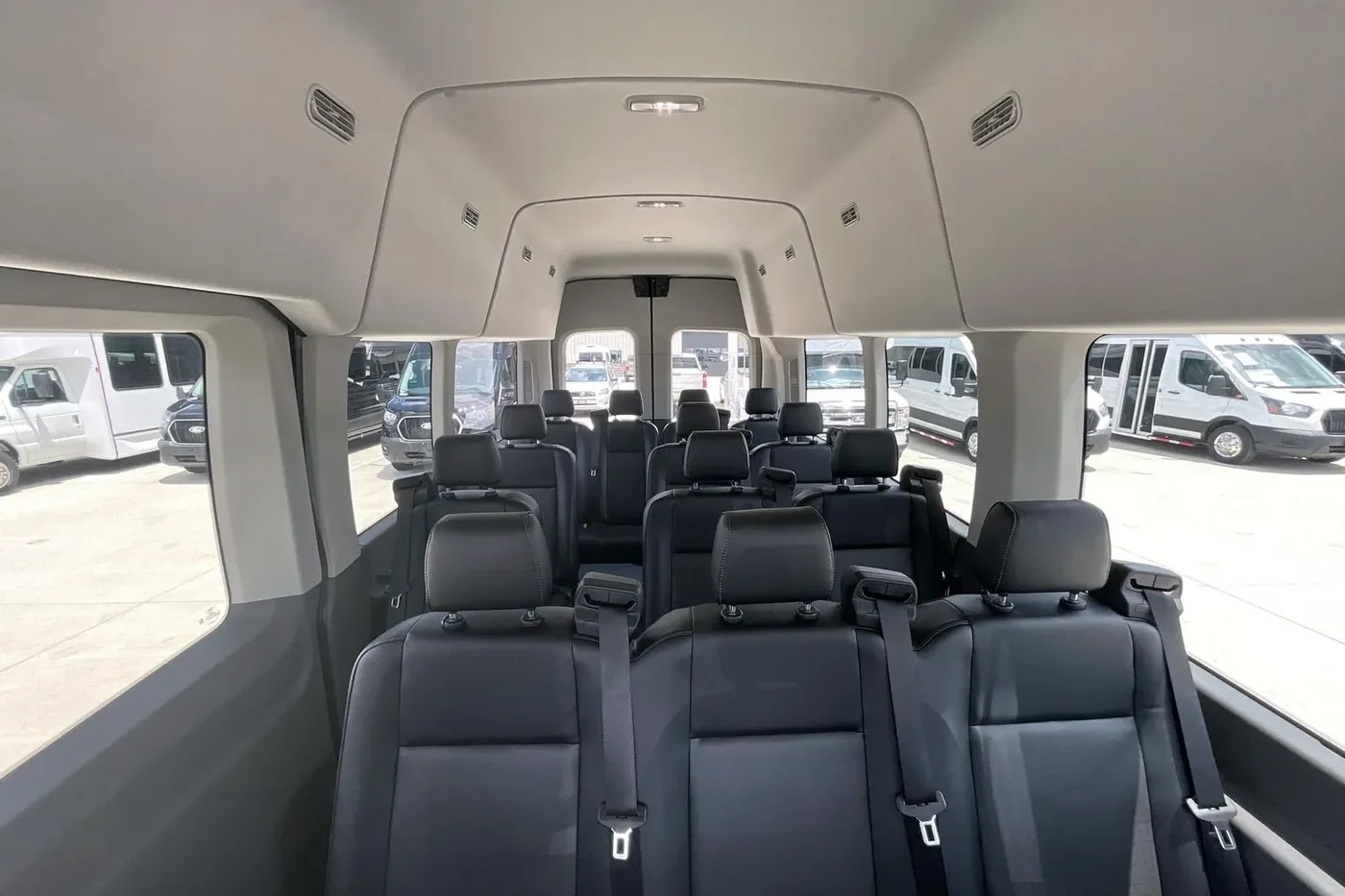
Common Ford Transit Passenger Applications
- Church transportation
- School programs
- Senior transportation
- Employee shuttle services
- Hotel transportation
- Nonprofit organizations
- Community transportation
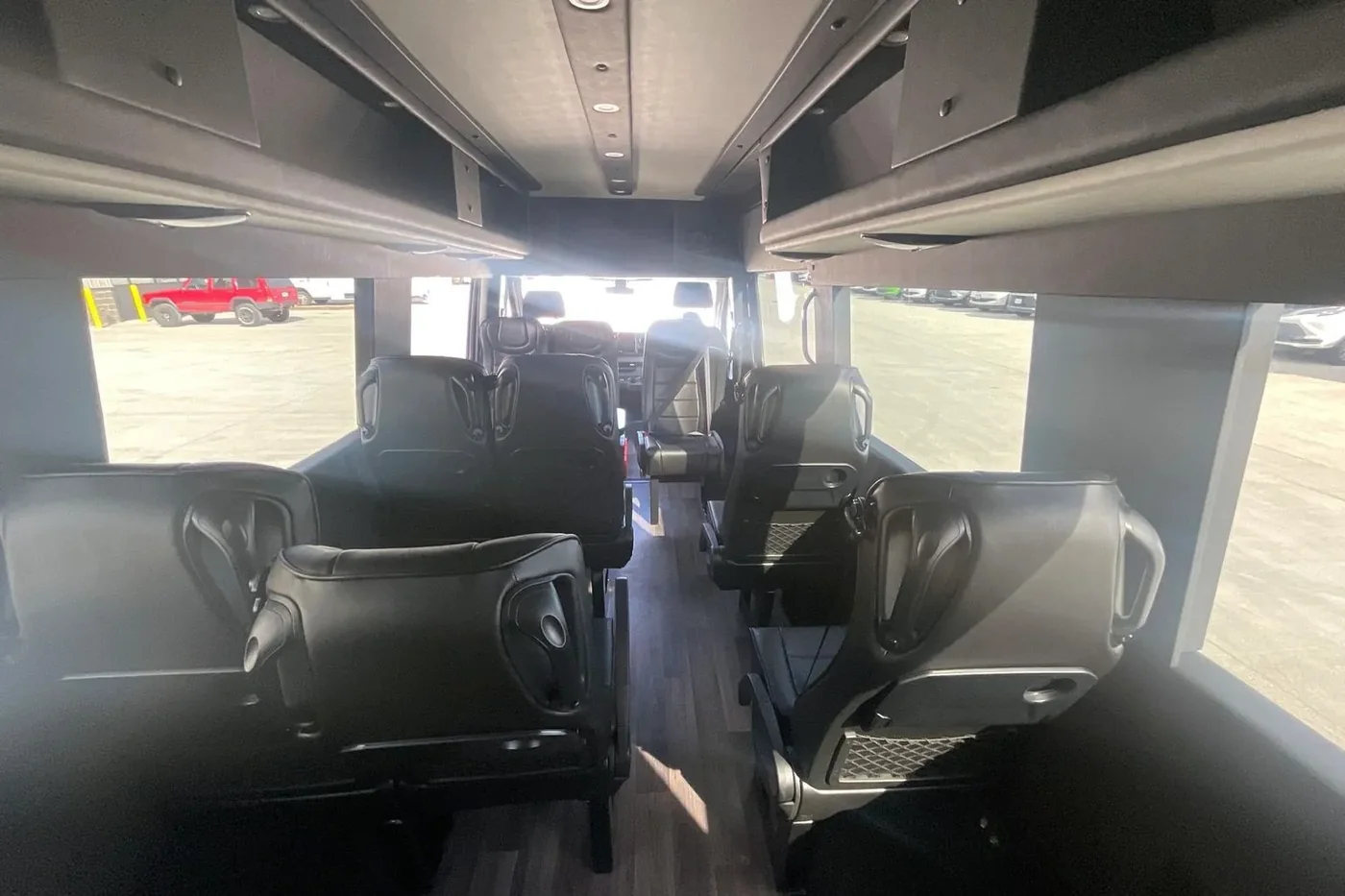
Common Mercedes-Benz Sprinter Passenger Applications
- Executive transportation
- Corporate shuttle services
- Airport transportation
- Luxury hospitality fleets
- VIP transportation
- Event transportation
- Professional passenger services
Industry-Specific Applications
Which Van Is Better for Airport Shuttle Services?
Airport transportation providers frequently compare the Ford Transit and Mercedes-Benz Sprinter when evaluating fleet vehicles. Hotel operators near major airports in Orlando, Dallas, Atlanta, Denver, and Washington, D.C. often prioritize reliability, passenger capacity, luggage accommodation, and operating efficiency. The Ford Transit provides excellent flexibility and broad commercial support. The Mercedes-Benz Sprinter is often selected for premium airport transportation programs where passenger comfort and upscale presentation are important.
Ford Transit vs Sprinter for Hotel Shuttle Fleets
Hotels throughout tourist destinations and metropolitan markets frequently need transportation vehicles capable of moving guests efficiently and comfortably. The Ford Transit is commonly selected because of its seating flexibility and adaptability. The Mercedes-Benz Sprinter is frequently chosen by luxury hotels, resorts, and hospitality operators seeking a more premium passenger experience. Both platforms can support custom shuttle conversions and accessibility solutions.
Which Commercial Van Is Best for Church Transportation?
Churches throughout Missouri, Arkansas, Kansas, Tennessee, and Texas regularly evaluate both platforms when expanding transportation ministries. The Ford Transit is particularly popular among churches because of its versatile seating configurations, passenger capacity, and overall value. The Mercedes-Benz Sprinter is often considered when passenger comfort and premium transportation experiences are prioritized. Many faith-based organizations select either platform depending on group size, budget considerations, and transportation goals.
Which Van Is Better for Senior Living Transportation?
Senior living communities, healthcare organizations, and assisted living facilities often prioritize accessibility, passenger comfort, reliability, and ease of entry. Both the Transit and Sprinter serve these applications well. Many organizations choose the Transit because of its broad range of conversion possibilities, while others prefer the Sprinter for its premium passenger environment and advanced safety technologies.
Ford Transit vs Sprinter for Business Fleets
Fleet managers often evaluate commercial vehicles based on:
- Acquisition costs
- Driver familiarity
- Maintenance planning
- Upfit compatibility
- Scalability
- Fleet standardization
The Ford Transit has become one of the most widely deployed commercial fleet vehicles in North America because of its versatility across industries.
The Mercedes-Benz Sprinter continues to attract businesses looking for premium transportation solutions, diesel capability, and advanced technology integration.
Technology, Capabilities, and Features
Modern commercial vehicles increasingly function as mobile workplaces. Both vehicles help organizations improve driver awareness, safety, and operational efficiency.
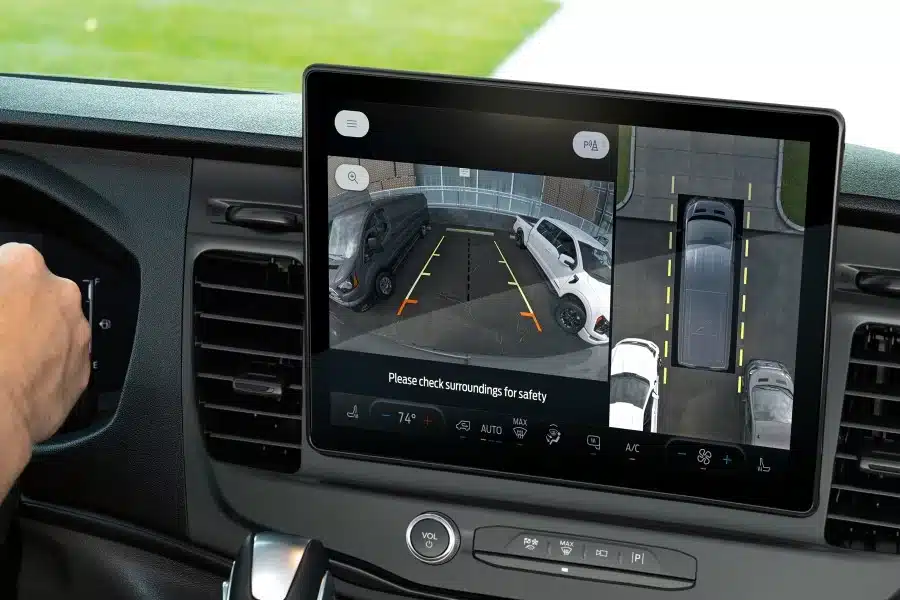
Ford Transit Technology Features
- Advanced infotainment system
- Connected fleet technologies
- Driver-assistance features
- Navigation capabilities
- Fleet management integration
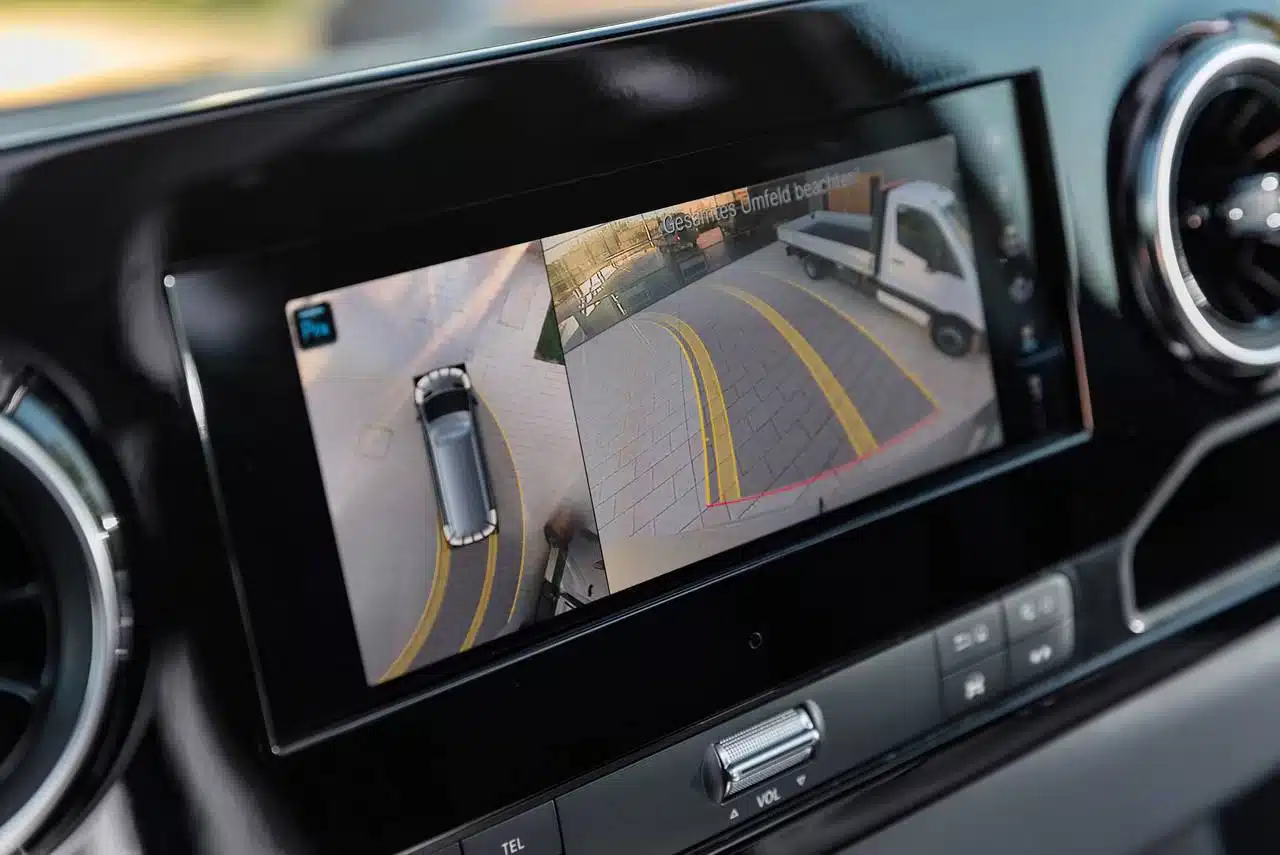
Mercedes-Benz Sprinter Technology Features
- MBUX infotainment system
- Voice-command functionality
- Advanced safety technologies
- Connected vehicle services
- Fleet management support
All-Wheel Drive Capability
Businesses operating in regions with changing weather conditions often search for commercial vans with enhanced traction. The Ford Transit and Mercedes-Benz Sprinter both offer available all-wheel drive systems. This capability can be particularly valuable for utility companies, healthcare transportation providers, rural transportation services, winter shuttle operations, mobile maintenance teams, and municipal fleets. Available all-wheel drive can improve confidence when operating in rain, snow, or varying road conditions.
Electric Commercial Van Options
Businesses exploring electrification strategies can also compare electric variants of each platform. The E-Transit provides an all-electric commercial solution designed for businesses seeking lower operating emissions and reduced fuel consumption in suitable applications. The eSprinter expands electric fleet options for organizations evaluating sustainable transportation solutions. Businesses considering electric vans should evaluate route lengths, charging infrastructure, payload requirements, and operational schedules before selecting a platform.
Frequently Asked Questions
Compare Ford Transit and Mercedes-Benz Sprinter Models at Masters Transportation
Organizations throughout Kansas City, Springfield, St. Louis, Dallas, Denver, Orlando, Nashville, Atlanta, Bentonville, Lincoln, Los Angeles, Washington, D.C., and surrounding markets continue to rely on the Ford Transit and Mercedes-Benz Sprinter for passenger transportation, commercial operations, shuttle services, group transportation, and specialty fleet solutions.
Whether your organization needs a passenger van, shuttle vehicle, mobility transportation solution, employee transportation vehicle, church transportation platform, or executive transportation vehicle, both the 2026 Ford Transit and 2026 Mercedes-Benz Sprinter offer proven commercial capability.
By evaluating passenger requirements, seating needs, technology preferences, operational goals, and long-term fleet objectives, businesses can identify the commercial van that best supports their mission and daily operations. Masters Transportation helps organizations compare available options and select transportation solutions designed around their specific needs.
Contact Us Today