

Families, caregivers, healthcare providers, veterans, senior living communities, transportation coordinators, and wheelchair users often compare Chrysler wheelchair vans and Toyota wheelchair vans when searching for a reliable mobility solution.
Whether you're looking for a wheelchair-accessible vehicle for daily transportation, medical appointments, independent driving, family travel, or non-emergency medical transportation, both Chrysler and Toyota offer proven platforms that have become popular choices in the mobility industry.
For individuals searching for a handicap-accessible van, accessible minivan, wheelchair van with ramp, or mobility vehicle, Chrysler and Toyota are often among the first platforms recommended by mobility specialists.
Which Wheelchair-Accessible Vehicle Is Best for Your Mobility Needs?
Shoppers throughout Kansas City, St. Louis, Springfield, Dallas, Denver, Orlando, Nashville, Atlanta, Bentonville, Lincoln, Los Angeles, Washington, D.C., and surrounding communities frequently research accessible vans by asking questions about which platform best suits their needs.
The answer depends on your accessibility requirements, passenger needs, mobility equipment, driving habits, and transportation goals. Both Chrysler and Toyota wheelchair vans offer excellent accessibility solutions, but each platform brings unique advantages to the table.
Chrysler Wheelchair Van vs Toyota Wheelchair Van: Quick Comparison
| Feature | Chrysler Pacifica / Voyager Wheelchair Van | Toyota Sienna Wheelchair Van |
|---|---|---|
| Common Conversion Types | Side-Entry and Rear-Entry | Primarily Side-Entry (Rear entry available but not common) |
| Power Ramp Availability | Yes | Yes |
| Manual Ramp Availability | Yes | Yes |
| In-Floor Ramp Options | Available | Available |
| Fold-Out Ramp Options | Available | Available |
| Wheelchair Driver Capability | Available | Available |
| Front Passenger Wheelchair Position | Available | Available |
| Interior Flexibility | Excellent | Excellent |
| Fuel Efficiency | Strong | Excellent |
| Family Transportation | Excellent | Excellent |
| Long-Distance Travel | Excellent | Excellent |
Because accessibility conversions vary by manufacturer and configuration, exact specifications can differ from vehicle to vehicle.
Why Chrysler and Toyota Are Leaders in Wheelchair Accessibility
When mobility manufacturers select vehicles for accessibility conversions, they look for platforms that offer specific characteristics to ensure reliable accessibility and comfort.
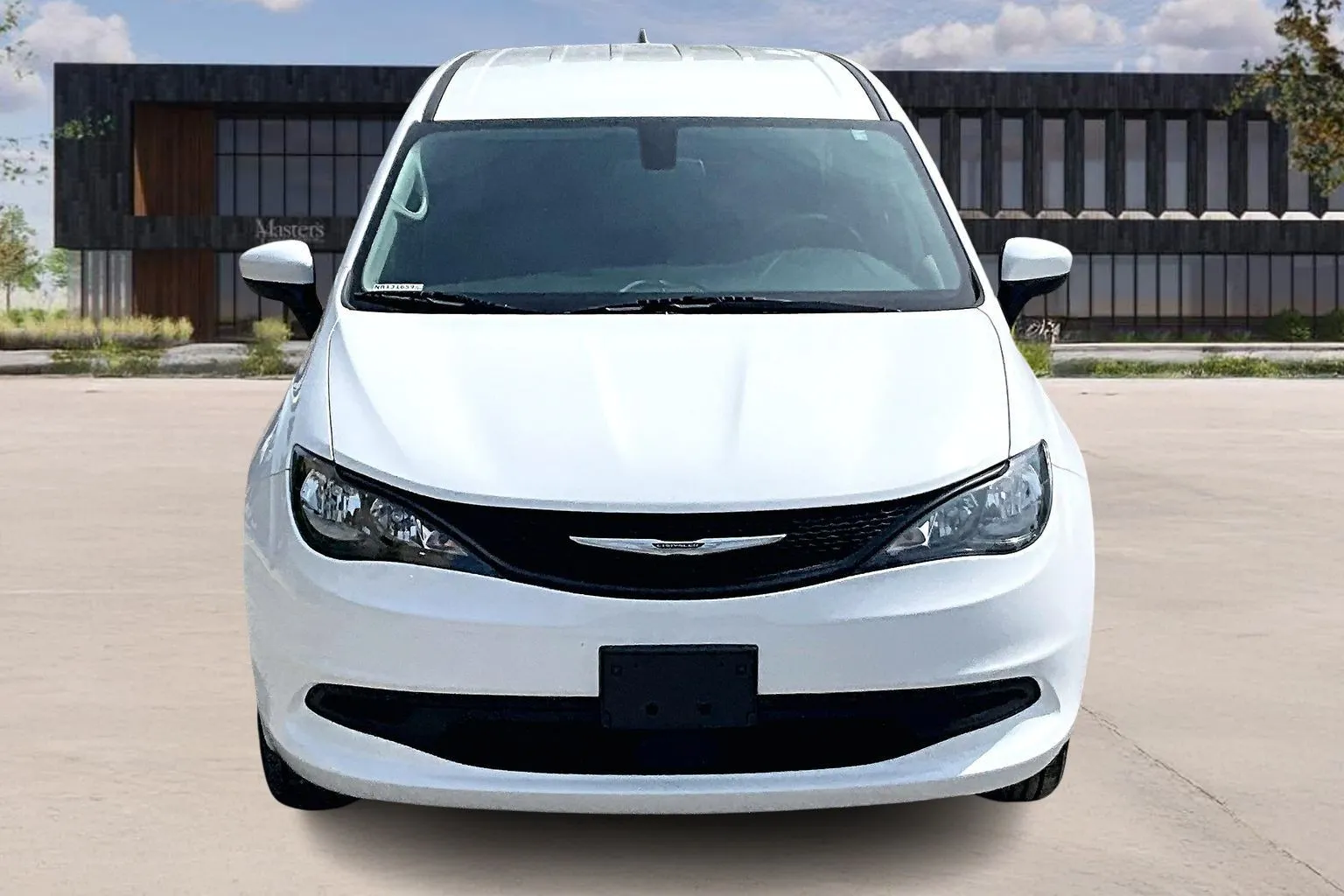
Key conversion requirements include:
- Spacious interiors
- Wide door openings
- Flexible seating arrangements
- Reliable performance
- Easy wheelchair maneuverability
- Advanced safety technologies
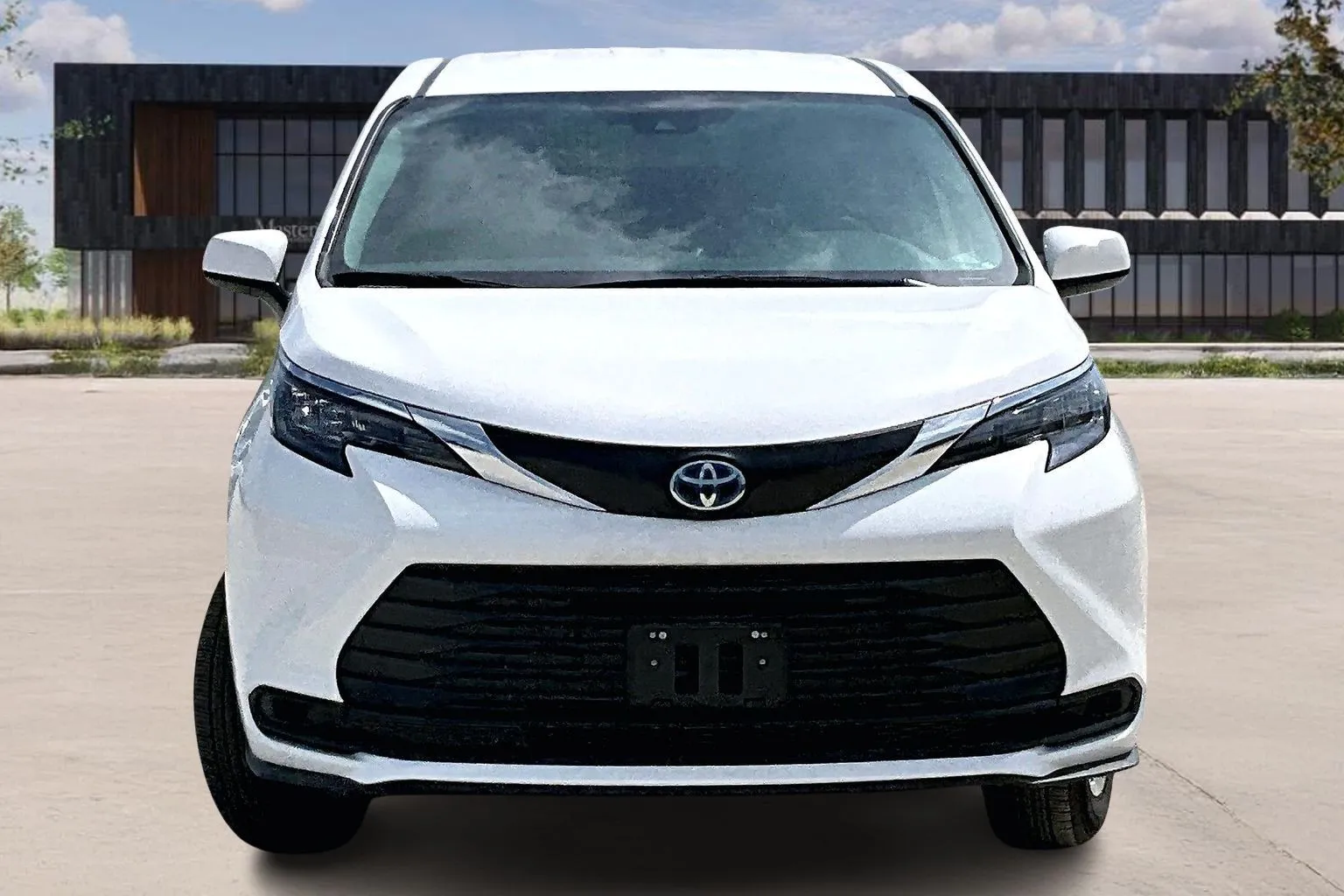
Shoppers frequently ask:
- What is the best wheelchair-accessible van?
- Is the Toyota Sienna a good wheelchair van?
- Is the Chrysler Pacifica a good wheelchair van?
- Which wheelchair van has more interior space?
- What wheelchair van is best for families?
Wheelchair Van Overviews
Chrysler: Built for Accessibility Flexibility
The Chrysler Pacifica has become one of the most widely converted wheelchair-accessible vehicles in North America. Many mobility providers prefer Chrysler-based conversions because the platform supports numerous accessibility configurations, allowing buyers to customize the vehicle around their specific needs.
Toyota: Efficient, Comfortable, and Mobility-Focused
The Toyota Sienna has become one of the most popular wheelchair-accessible vehicles on the market. Its combination of passenger comfort, modern technology, and fuel-efficient hybrid performance makes it attractive to families, caregivers, transportation providers, and independent wheelchair users.
Popular Chrysler Wheelchair Van Models
- Chrysler Pacifica Wheelchair Van
- Spacious interior dimensions
- Wide side-door openings
- Side-entry and rear-entry accessibility
- Available in-floor and fold-out ramps
- Chrysler Voyager Wheelchair Van
- Family-focused usability
Popular Toyota Wheelchair Van Model
- Toyota Sienna Wheelchair Van
- Hybrid efficiency
- Comfortable ride quality
- Modern safety features
- Side-entry accessibility options
- Wheelchair driver configurations
- Power ramp availability
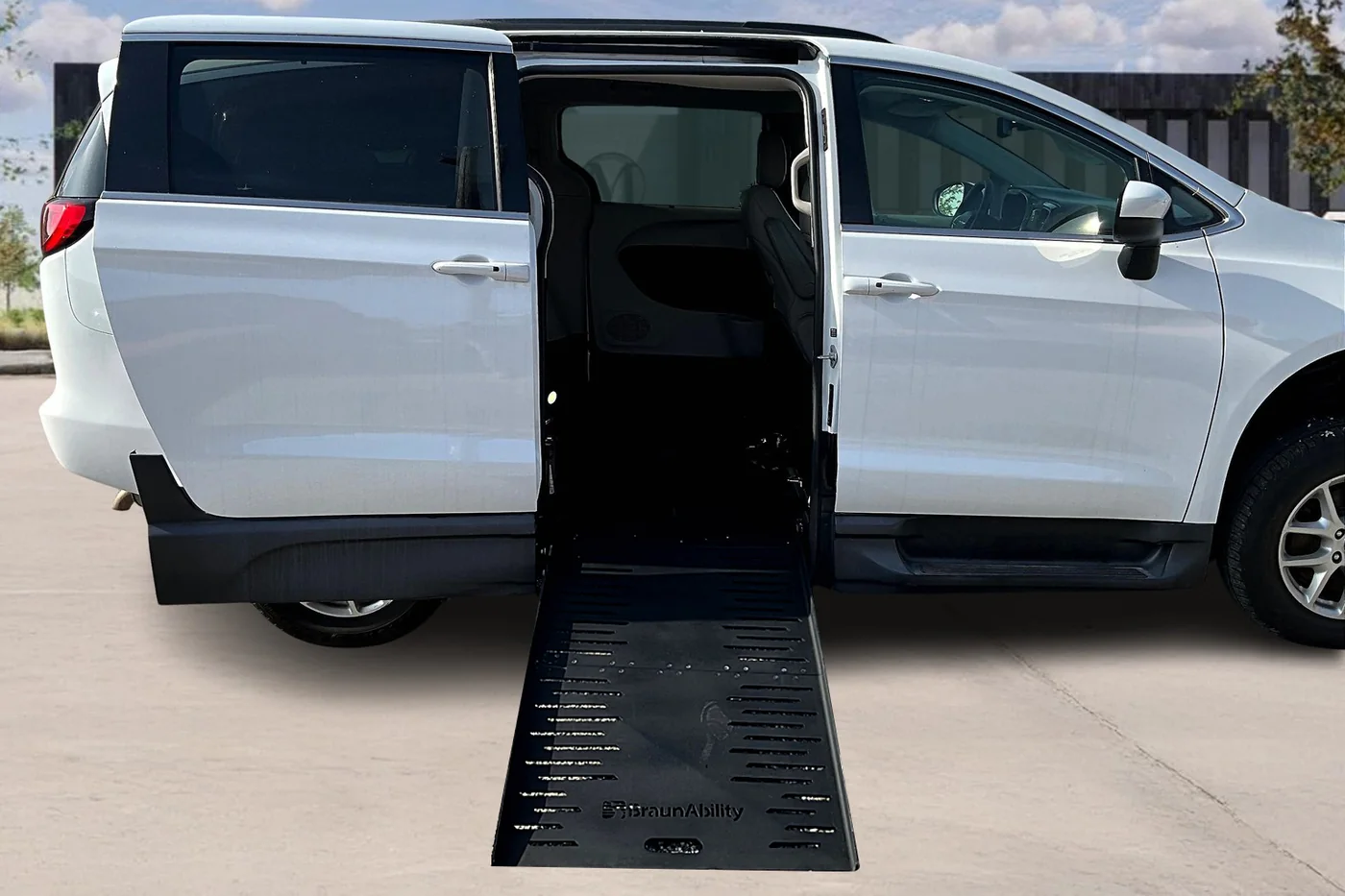
Side-entry vs. rear-entry: which layout fits? The Chrysler Pacifica pictured above is a side-entry conversion: a lowered floor runs through the cabin and a power ramp deploys from the passenger-side sliding door, so a wheelchair user can ride up front or mid-cabin and, with the right equipment, drive. It needs roughly eight feet of clear space beside the van to deploy the ramp.
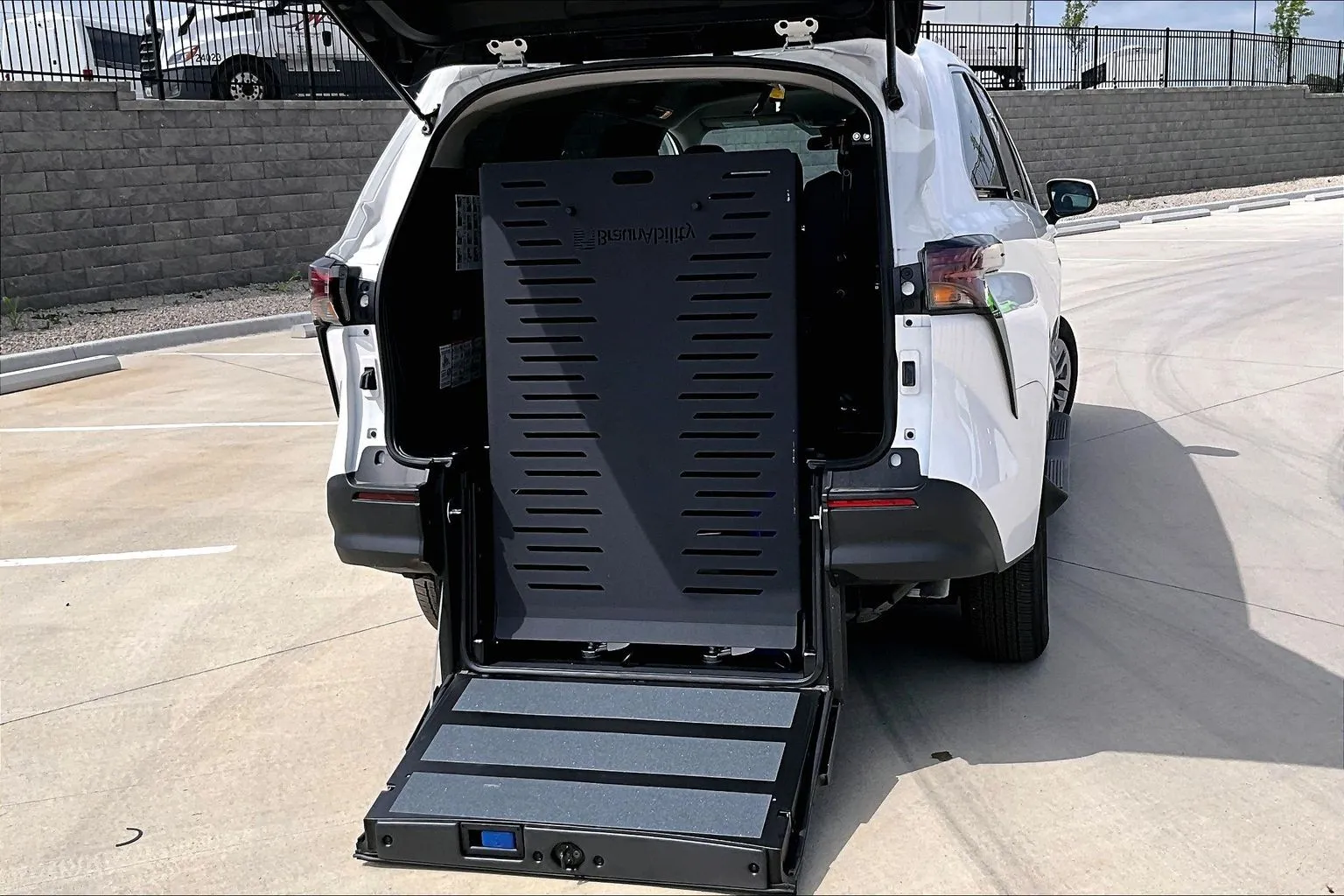
A rear-entry conversion deploys its ramp from the rear hatch instead. The wheelchair rides in the center-rear position, both front seats stay in place, and because nothing extends to the side it works in standard parking spaces, garages, and narrow driveways. Rear-entry is usually the lower-cost option and is the layout most caregivers choose for a passenger who does not drive. Full-size vans use a powered lift in the same two positions. More on side-entry vs. rear-entry below.
Why Buyers Choose Chrysler: Many shoppers searching for the best wheelchair van for families or caregivers are attracted to Chrysler because of its flexibility. The ability to choose between side-entry and rear-entry accessibility gives buyers more options.
Why Buyers Choose Toyota: People searching for the best wheelchair van for commuting, long-distance travel, or daily transportation often gravitate toward the Toyota Sienna. The hybrid powertrain appeals to drivers seeking lower fuel costs.
Which Wheelchair Van Has More Interior Space?
One of the most common questions mobility shoppers ask is: 'Which wheelchair van has the most room?' Both platforms offer generous accessibility accommodations.
However, many mobility specialists recognize the Chrysler Pacifica as one of the most spacious wheelchair-accessible minivan platforms available. The Pacifica's interior often provides excellent maneuverability for larger power wheelchairs and mobility devices. The Toyota Sienna also delivers substantial interior space and comfortably accommodates a wide range of mobility equipment.
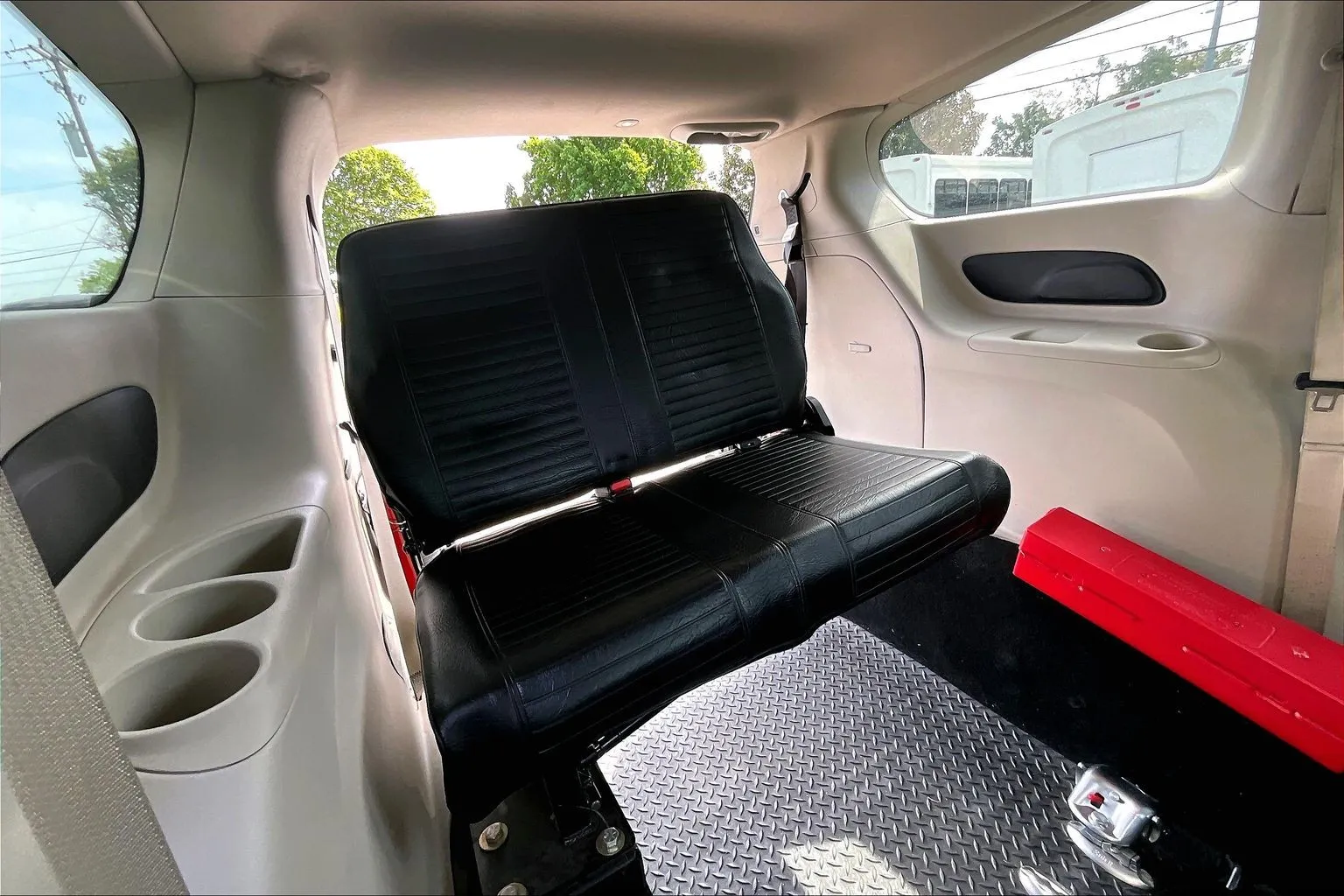
Interior Space Advantage
- Slight Advantage: Chrysler Pacifica
- Excellent maneuverability for larger power wheelchairs
- Strong consideration for users prioritizing maneuvering room
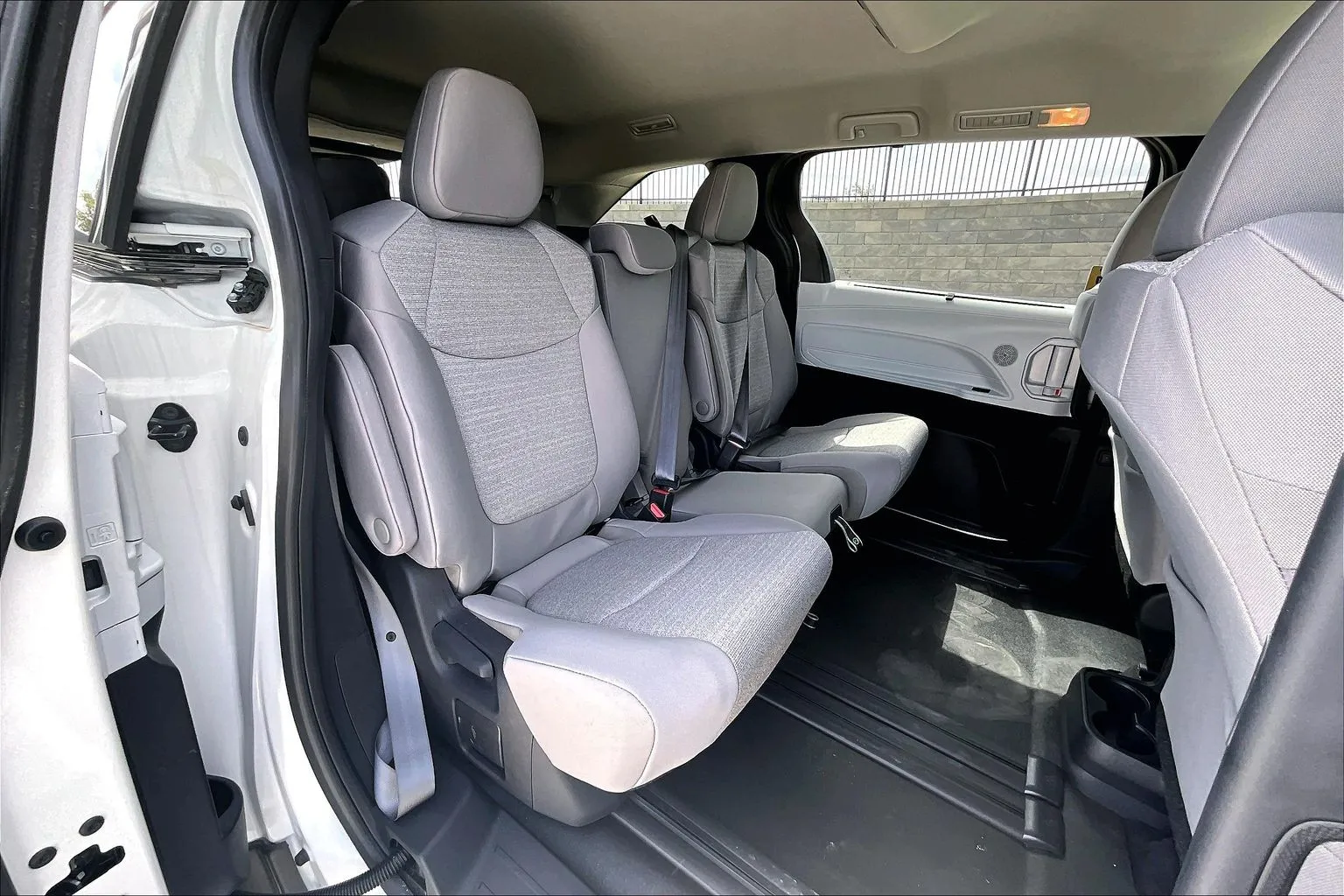
Substantial Capacity
- Toyota Sienna delivers substantial interior space
- Comfortably accommodates a wide range of mobility equipment
- Excellent for standard power and manual wheelchairs
Which Wheelchair Van Is Better for Families and Caregivers?
Families frequently search for the best wheelchair van for family travel, accessible vans for children, or wheelchair vans with multiple passengers. Both Chrysler and Toyota perform exceptionally well in these situations.
Caregivers often prioritize easy entry and exit, passenger comfort, accessibility convenience, and vehicle reliability. Both platforms are excellent caregiver-focused mobility vehicles.
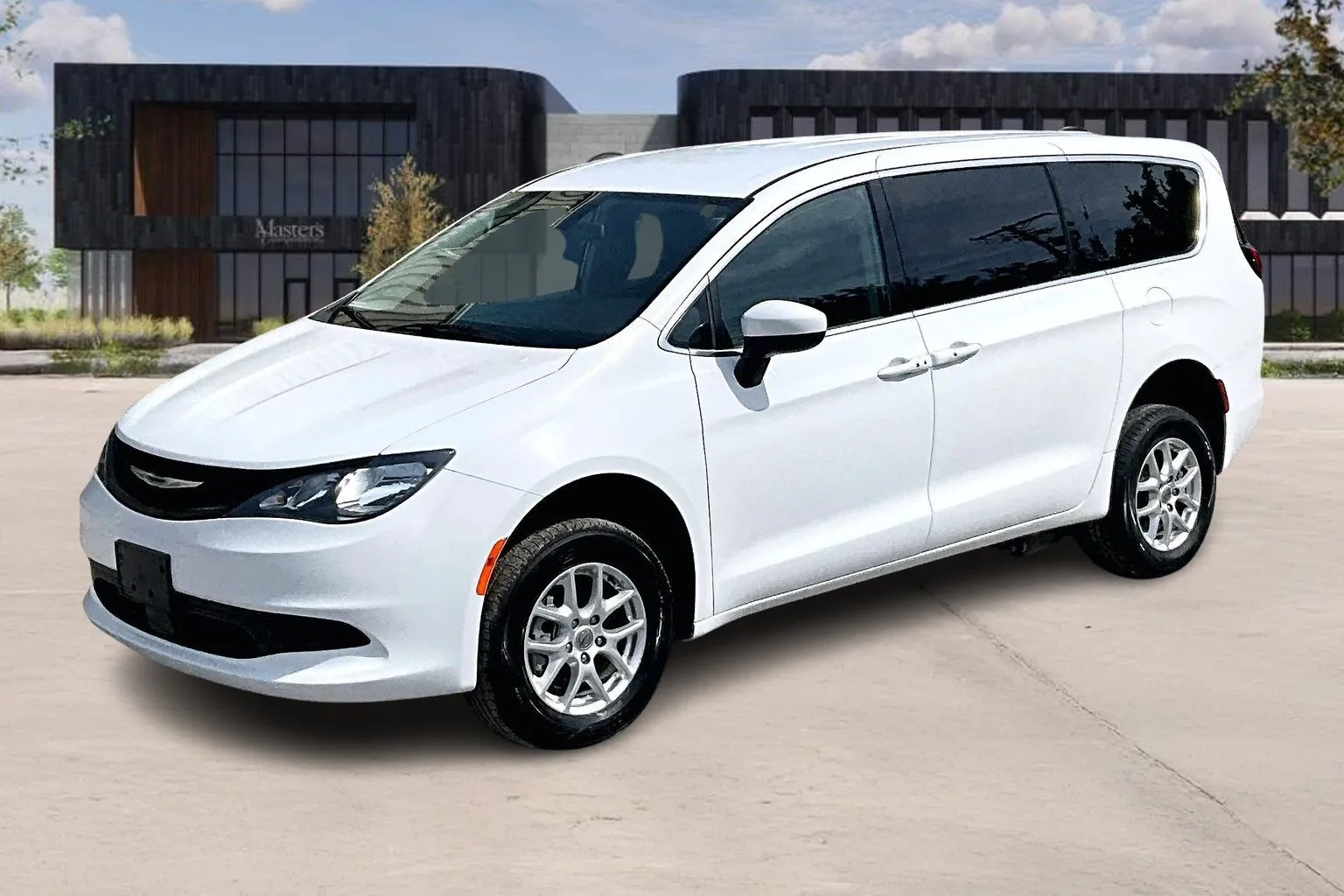
Chrysler Benefits
- Multiple conversion options
- Flexible seating arrangements
- Spacious interior
- Excellent accessibility customization
- Greater customization opportunities for caregiver-assisted transportation
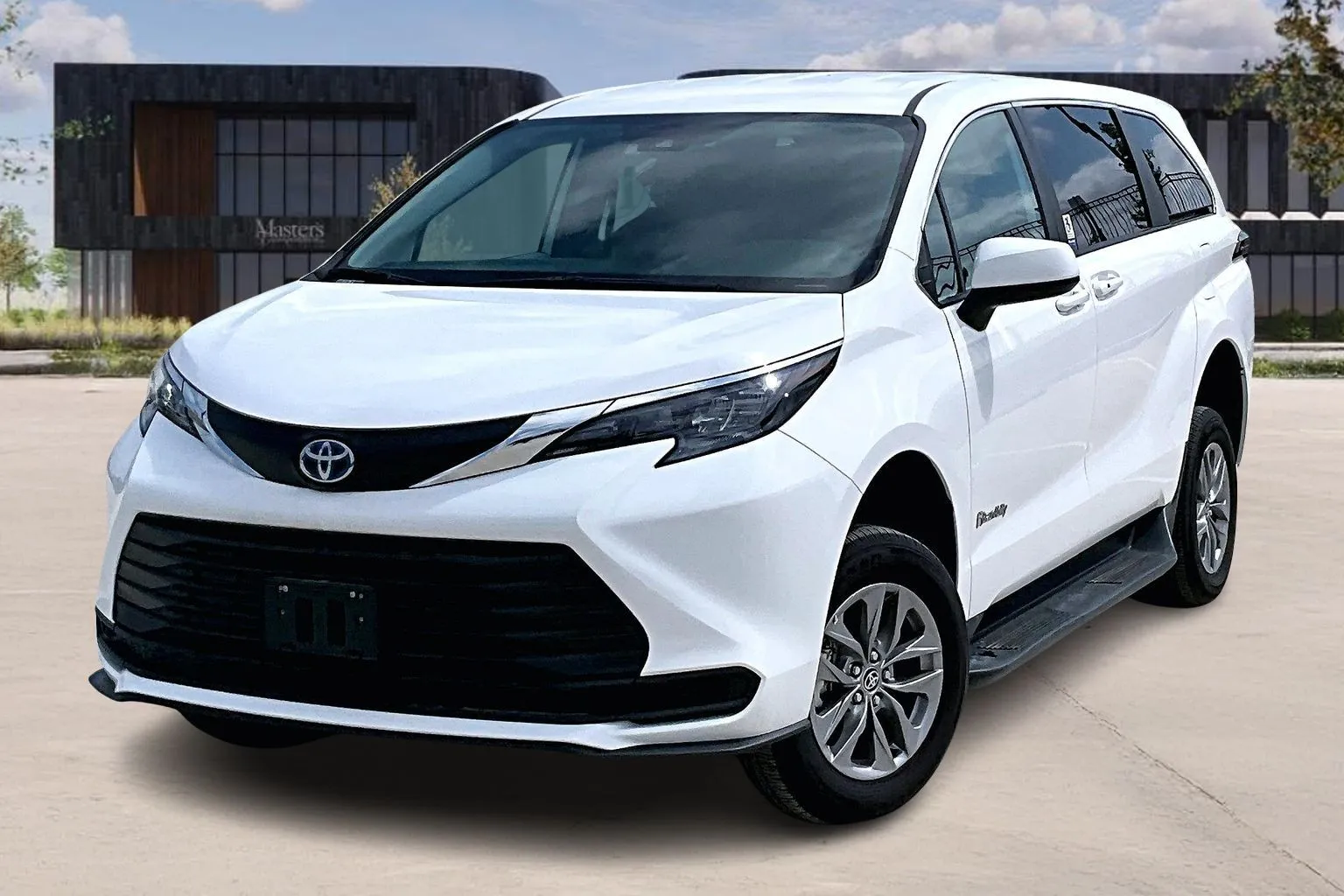
Toyota Benefits
- Hybrid efficiency
- Comfortable ride quality
- Modern technology
- Strong daily usability
- Exceptional comfort and efficiency for caregivers who drive frequently
Side-Entry vs Rear-Entry Wheelchair Vans
What Is a Side-Entry Wheelchair Van?
A side-entry wheelchair van allows access through the passenger-side sliding door. Benefits include driver accessibility options, front passenger wheelchair positions, greater interior mobility, and easier passenger interaction.
What Is a Rear-Entry Wheelchair Van?
A rear-entry wheelchair van provides access through the rear hatch. Benefits include easier parking in tight spaces, simplified accessibility, and efficient transportation layouts.
Wheelchair Vans for Medical Transportation
Healthcare providers, rehabilitation centers, senior living communities, and transportation organizations frequently search for accessible vehicles capable of supporting non-emergency medical transportation. Both Chrysler and Toyota are commonly used because they combine accessibility, comfort, and reliability.
Wheelchair Vans for Senior Transportation
As mobility needs evolve, many families search for accessible vehicles that can accommodate aging loved ones. Important considerations include ease of entry, ramp operation, passenger comfort, and accessibility flexibility. Both vans are popular choices.
Which Wheelchair Van Is Better for Independent Drivers?
Many wheelchair users want the freedom of independent mobility. Both Chrysler and Toyota wheelchair vans can support independent drivers through various mobility adaptations.
- Wheelchair driver positions
- Adaptive driving controls
- Transfer seating
- Power accessibility systems
- Wheelchair size compatibility
- Driver preferences and configurations
The ideal choice often depends on wheelchair size, driver preferences, accessibility configuration, and adaptive equipment needs.
Both platforms support independence and accessibility, making them exceptional options for wheelchair users looking to drive themselves.
Additional Accessibility Considerations
When choosing a wheelchair van, buyers must evaluate the specific accessibility features and ramp configurations available on each platform.
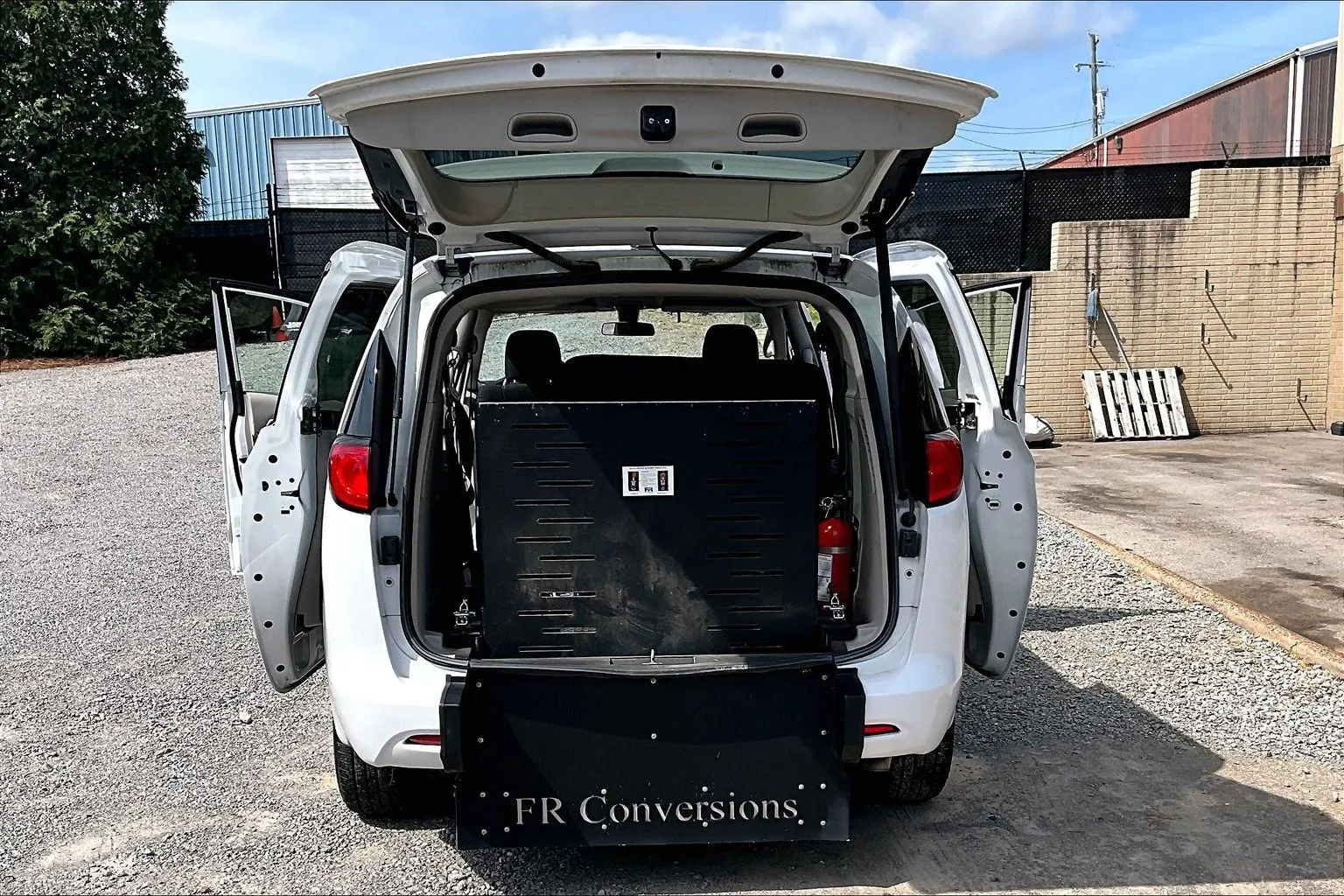
Chrysler Pacifica & Voyager Features
- Power ramp availability
- Manual ramp availability
- In-floor ramp options
- Fold-out ramp options
- Practical mobility features
- Everyday driving comfort
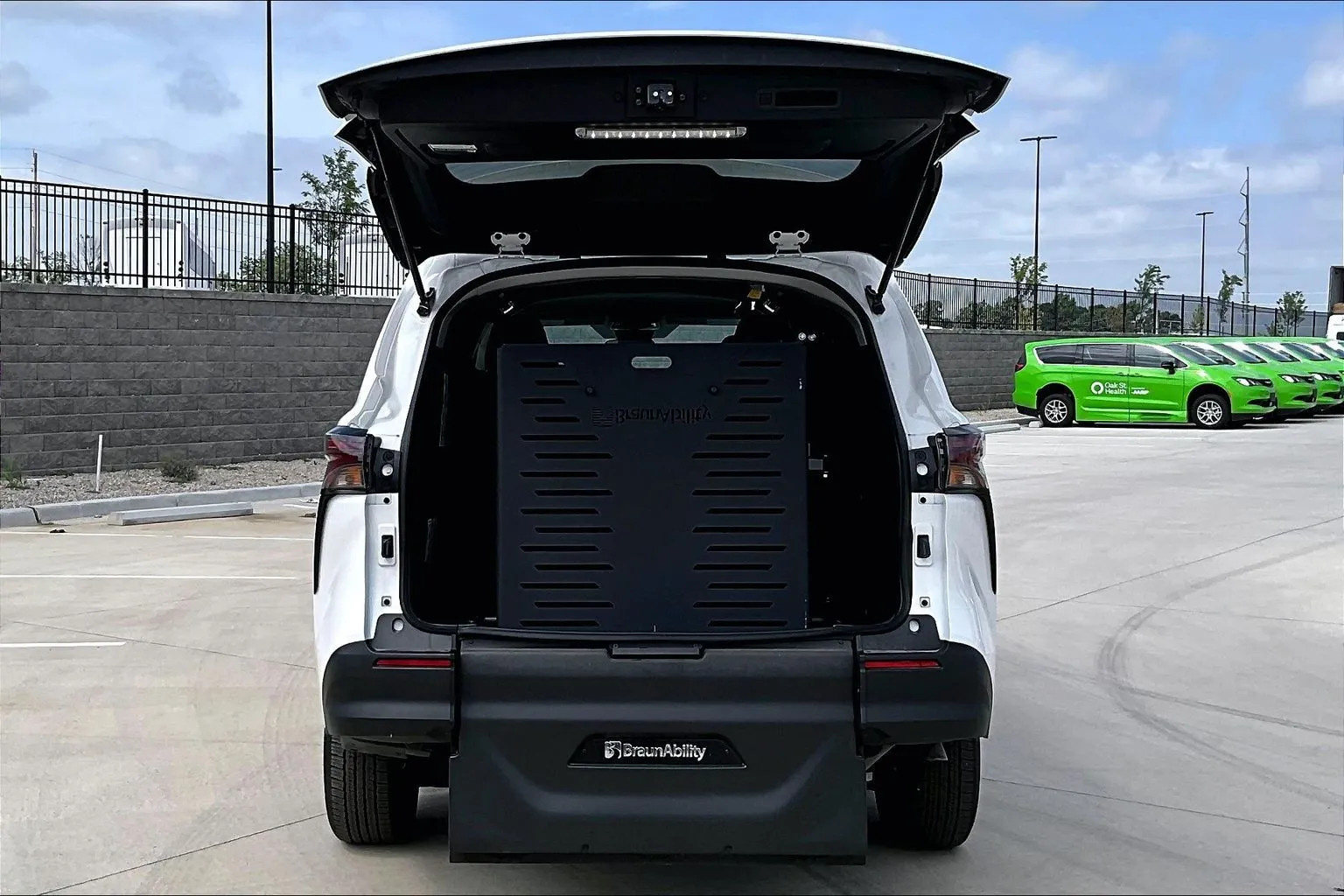
Toyota Sienna Features
- Power ramp availability
- Manual ramp availability
- Primarily side-entry
- Rear entry available but not common
- Hybrid efficiency
- Modern safety features
Ramp Configuration Options
Both vehicles offer a choice between fold-out ramps and in-floor ramps depending on the conversion manufacturer. Fold-out ramps are reliable and easy to deploy manually if needed, while in-floor ramps provide a clean interior and preserve space for ambulatory passengers.
Long-Distance Travel and Efficiency
For individuals who spend significant time on the road, fuel efficiency and ride comfort are crucial. The Toyota Sienna's hybrid powertrain gives it a significant advantage for long-distance travel, while the Chrysler Pacifica remains a strong and comfortable cruiser for families on the go.
Frequently Asked Questions
Compare Chrysler and Toyota Wheelchair Vans at Masters Transportation
Choosing a wheelchair-accessible vehicle is about more than transportation: it's about maintaining independence, improving accessibility, supporting caregivers, and creating mobility solutions that fit everyday life.
Whether you're considering a Chrysler Pacifica wheelchair van, Chrysler Voyager wheelchair van, or Toyota Sienna wheelchair van, today's mobility vehicles provide exceptional accessibility, comfort, safety, and convenience.
By evaluating accessibility features, ramp configurations, seating flexibility, interior space, passenger needs, and long-term mobility goals, buyers can confidently choose the wheelchair-accessible vehicle that best supports their lifestyle, family, or transportation program. Masters Transportation helps organizations and families select solutions designed around their specific needs.
Contact Us Today